816 Acres of Forest Turned to Mud as Google Faces Wolf Displacement Crisis
Unauthorized clearings near Muhos have displaced wildlife, prompting local officials to halt work and residents to report increased animal activity in nearby villages.
By Valentina Cruz ·
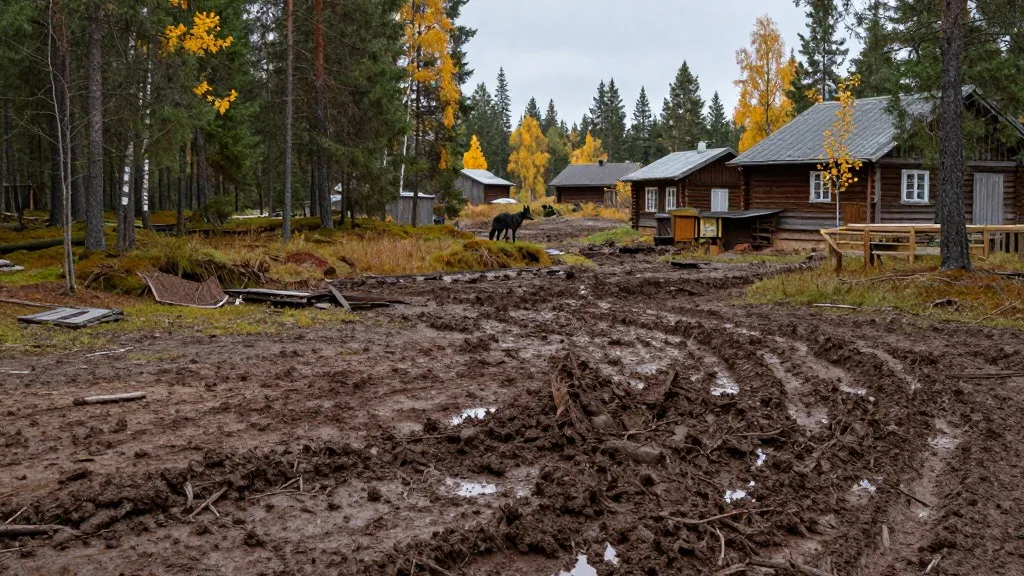
The rapid expansion of artificial intelligence infrastructure in Finland has precipitated a significant ecological and social dispute, marked by the conversion of dense forest into construction sites and the subsequent displacement of local wildlife. As of late October 2026, the conflict centers on two primary sites near the villages of Muhos and Otanmäki, where Google’s construction activities have drawn sharp criticism from regulators and residents alike.
The immediate catalyst for renewed public scrutiny is the physical transformation of approximately 816 acres of forest near Muhos into an extensive area of mud. This alteration of the landscape has been described as unauthorized, leading Google’s country manager to issue a public apology. The disruption has not been limited to the visual or environmental impact on the land; it has also forced a migration of local fauna, including wolf packs that previously relied on the cleared woodland for habitat.
A second key development involves the regulatory response to the construction efforts. The Finnish Licensing and Supervision Authority (LVV) has issued a formal order for Google to cease operations at the site near Otanmäki, located roughly 55 miles southeast of the village. This area has seen approximately 500 acres of forest cleared. The LVV’s intervention underscores the tension between the tech giant’s timeline for AI data center development and the strict environmental standards enforced by Finnish authorities.
The third critical element of the story is the direct impact on local communities. Residents report that wolves and other wild animals, displaced from their former territories, are now roaming into neighboring countryside villages. Anni Ranta, a 53-year-old resident whose family has lived in Otanmäki for generations, stated, “We had wolves coming into the village because all the wild animals moved out of the forest.” This shift has raised serious concerns regarding human safety in areas previously considered safe from large predators.
Local sentiment toward the project has soured, with anger simmering over the perceived disregard for regulations. While environmental groups have long monitored the impact of data centers, this incident has brought the issue into the daily lives of ordinary families. Beyond the presence of predators, locals have voiced complaints about construction noise, streams turning brown, and the displacement of rare bird species. These grievances suggest that the opposition is no longer confined to specialized advocacy groups but is a broad-based community concern.
The Finnish Association for Nature Conservation (SLL) has characterized Google’s handling of environmental policy as unprecedented and clear in its deviation from established norms. This assessment aligns with the actions taken by the LVV, which sought to halt development to preserve the remaining ecological balance. The regulatory pushback represents a significant challenge to Google’s strategy in the region, where it has sought to establish a major hub for its AI operations.
Despite the regulatory friction, Google maintains a cooperative posture. A spokesperson for the company indicated a willingness to work with officials, stating, “We will fully comply with LVV’s requests in this matter.” The company expressed optimism about maintaining an open dialogue with authorities and local organizations, aiming to strengthen its partnership with Finland. This diplomatic approach suggests that Google is hoping to leverage the projected economic benefits of the data centers to secure continued support from the government.
This situation follows a recent notice issued by the Finnish government earlier this month, which directed Google to stop construction activities in both Muhos and the Kajaani area near Otanmäki. The sequence of events highlights a growing pattern of intervention by state bodies in response to the environmental footprint of large-scale tech infrastructure. As the company navigates this dispute, the balance between technological advancement and ecological preservation remains a focal point for policymakers.
The outlook for the data center projects remains uncertain, contingent on the outcome of ongoing negotiations between Google and Finnish authorities. The displacement of wildlife, particularly wolves, serves as a tangible symbol of the broader environmental costs associated with the rapid buildout of AI capabilities. For California-based readers and other observers in the tech sector, the Finland case offers a concrete example of how local environmental regulations can significantly influence the pace and placement of global data center expansions.
As the mud settles and the wolves adjust to their new surroundings, the resolution of this conflict will likely set a precedent for future developments in the region. The interplay between corporate ambition and local conservation efforts continues to evolve, with the Finnish government and Google both poised to make moves that could define the next phase of AI infrastructure growth in Europe.
Source: Tom's Hardware